ENGLISH AND STUDY SKILLS PROGRAMME (ESSP)
WMU offers a specialist Maritime English and Study Skills Programme (ESSP). The ESSP is designed to enhance English language competencies and provide the skills necessary to follow a postgraduate programme successfully, whether this programme is at WMU or another institution. Around one fifth of the ESSP students are external students, who come to Malmö for this unique programme that prepares them for both study and professional life in the maritime and ocean fields.
The ESSP runs each year from June to September, and its curriculum is designed to cover the skills required for success in a postgraduate degree programme and for professional success. The core components are Academic Writing Skills, Speaking & Presentation Skills and Thematic Integrated Skills. The programme also includes academic lectures by WMU professors, and IT and library workshops.
The classes are small to facilitate group activities and allow a very high level of individual feedback to students from their teachers. The competencies that are developed include effective problem solving, solid research methods, critical reading and analysis, all skills that are needed in postgraduate study.
The English and Study Skills Programme (ESSP) is for anyone who needs to communicate more effectively in English in the maritime field. ESSP students are typically:
- WMU students enrolled in the ESSP as a condition of entry into the MSc programme
- WMU students who elect to take the ESSP in preparation for the MSc programme
- Non-WMU students who wish to upgrade their professional and academic English communication skills in the maritime context.
The ESSP runs each year from mid-June to early September. The 12-week intensive programme incorporates the following core components
- Academic Writing
- Thematic Integrated Skills
- Speaking and Presentation Skills
The programme also includes maritime-focused academic lectures by WMU professors, and IT and library workshops. Students are expected to complete individual assignments as well as group work, homework and self-study.
English and Study Skills Programme (ESSP)
Programme Details
Programme Details
WMU offers a specialist Maritime English and Study Skills Programme (ESSP). The ESSP is designed to enhance English language competencies and provide the skills necessary to follow a postgraduate programme successfully, whether this programme is at WMU or elsewhere. Around one fifth of the ESSP students are external students, who come to Malmö for this unique programme that prepares them for both study and professional life in the maritime and ocean fields.
The ESSP runs each year from June to September, and its curriculum is designed to cover the skills required for success in a postgraduate degree programme and for professional success. The core components are Academic Writing Skills, Speaking & Presentation Skills and Thematic Integrated Skills which targets all four language skills with a focus on contemporary maritime and oceans topics. The programme also includes academic lectures by WMU professors, and IT and library workshops.
The classes are small to facilitate group activities for collaborative student-centered learning and allow a very high level of individual feedback to students from their teachers. The competencies that are developed include effective problem solving, solid research methods and academic writing, and critical reading and teaching skills, all skills that are needed in postgraduate study.
The English and Study Skills Programme (ESSP) is for anyone who needs to communicate more effectively in English in the maritime field. ESSP students are typically:
- WMU students enrolled in the ESSP as a condition of entry into the MSc programme
- WMU students who elect to take the ESSP in preparation for the MSc programme
- Non-WMU students who wish to upgrade their professional and academic English communication skills in the maritime context.
The ESSP runs each year from mid-June to early September. The 12-week intensive programme incorporates the following core components
- Academic Writing Skills
- Thematic Integrated Skills
- Speaking and Presentation Skills
The programme also includes maritime-focused academic lectures by WMU professors, and IT and library workshops. Students are expected to complete individual assignments as well as group work, homework and self-study.
Entrance Requirements
All applicants to the University must submit an internationally recognized English language proficiency test. Acceptable tests include IELTS, TOEFL, Cambridge examinations, and GCE O-levels in English language. Other tests are accepted by the Admissions Board only under exceptional circumstances; applicants should check with the Registry in such cases.
Applicants to the standard MSc programme have the opportunity, if necessary, to enroll in the pre-sessional English & Study Skills Programme (ESSP). Applicants to the accelerated programme are not eligible to attend ESSP since the accelerated programme has higher English skills requirements.
To apply to follow the ESSP as a stand-alone programme of study, please click here.
TEST OF ENGLISH AS A FOREIGN LANGUAGE (TOEFL)
ESSP participation required
IBT (0-120 scale): 61 to 79
IBT (1-6 scale): 3 to 3.5
no ESSP required if the scores are:
IBT (0-120 scale): 80+
IBT (1-6 scale): 4 to 6
WMU’s TOEFL institution code is 9198.
INTERNATIONAL ENGLISH LANGUAGE TESTING SYSTEM (IELTS)
ESSP participation required
bands 5.0 and 5.5
no ESSP required
band 6.0 or above
Please note: the academic, not the general training, version of the test is required
CAMBRIDGE EXAMINATIONS
First Certificate (FCE) ESSP participation required
Advanced (CAE) no ESSP required
Proficiency (CPE) no ESSP required
Students who have a pass in a GCE O-level or the equivalent (WAEC, CXC etc) must enclose a copy of their examination results for evaluation by the Admissions Board.
Sometimes applicants’ test results meet the University’s general guidelines, but show weaknesses in a certain skills area. In such cases, the Admissions Board will vary the guidelines shown above.
More information can be found by visiting these websites:
January 2022
Maritime Energy Management
Maritime Law & Policy
Maritime Safety & Environmental AdministrationOcean Sustainability, Governance & Management
Port Management
Shipping Management & Logistics
The World Maritime University (WMU) maintains active collaborations with a number of distinguished academic institutions. These partnerships are formalised through agreements that allow WMU PhD students to participate in selected PhD-level and Master-level courses offered by our partner universities. Access to these courses is subject to availability of seats and the relevance of the course to the student’s research. These collaborations aim to enhance the academic experience by broadening access to high-quality, specialised training aligned with each student's academic development. Further details about the institutions, course offerings, and relevant contacts can be found via the links below.
The World Maritime University (WMU) maintains active collaborations with a number of distinguished academic institutions. These partnerships are formalised through agreements that allow WMU PhD students to participate in selected PhD-level and Master-level courses offered by our partner universities. Access to these courses is subject to availability of seats and the relevance of the course to the student’s research. These collaborations aim to enhance the academic experience by broadening access to high-quality, specialised training aligned with each student's academic development.Further details about the institutions, course offerings, and relevant contacts can be found via the links below.

My doctoral research examines why emergency evacuations on cruise and passenger ships sometimes fail, leading to preventable loss of life. Through literature review and empirical fieldwork - including surveys, observations, and interviews with seafarers and maritime professionals - the study identifies systemic shortcomings in training regimes, procedures, decision-making mindsets, communication, workload management, and stress psychology. Findings inform evidence-based interventions such as enhanced training curricula, updated standard operating procedures, improved wayfinding and communication protocols, and decision-support tools that reduce evacuation timelines and increase survival. Ultimately, the project seeks to strengthen resilience in passenger shipping.

Based on theoperational, regulatory and strategic roles I have heldwithin theMarine, Maritime and Port industries, I have observed that communication and collaboration among stakeholders isessential for the progress of the industry. Thus, my research focuses on therelationships around the port and shipping sectors, and how we can apply traditional wisdom, such as thecircular economy, using modern mechanisms, such as game theory and AI. Throughthis researchI aim to develop a framework forthe transition of Ports as Energy Hubs.

My research is focused on analyzing the various benefits of transitioning to paperless documents and procedures in maritime trade/ trade across borders. It aims to investigate the various practical and legal challenges affecting the transition and intends to proffer applicable solutions that would facilitate an inclusive digital trade ecosystem

Seafarers’ affective disposition plays a vital role in ensuring safe maritime operations. However, despite developments in Maritime Education and Training (MET), the affective domain of learning remains underemphasized, with MET institutions primarily focusing on cognitive knowledge and psychomotor skills. My study explores ways to integrate the affective domain into MET curricula by identifying key challenges and strategies faced by MET institutions, and investigating the approaches used across academic contexts to support affective learning. Based on these insights, targeted interventions will be designed to strengthen the affective disposition and overall competency of seafarers.

My research focuses on the circular transition in maritime industrial ports through a mixed-methods approach. Following a systematic literature review, the Analytic Hierarchy Process (AHP) and the Technique for Order Preference by Similarity to Ideal Solution (TOPSIS) will be applied to evaluate circular economy alternatives and criteria for their assessment. In the next stage, approaches to actively engage stakeholders in this transition will be proposed, and a case study will be conducted to assess the effectiveness of the proposed framework.

Since the 1950s, global ports have undergone major reforms in ownership, management, and governance, alongside rapid expansion of infrastructure. While port devolution is common worldwide, limited data exists to assess its effectiveness. Today, growing environmental and climate pressures signal a need for further reform. A well-designed governance framework is essential for ports to meet regulatory and market demands. My study examines historical reform trends and challenges, identifies gaps in port decarbonization and productivity, and proposes a standardized governance framework and digital platform to support decarbonization, improve stakeholder coordination, and boost efficiency.

My research examines the implementation of selected regulatory measures in CARICOM States, toward combatting illegal, unreported, and unregulated (IUU) fishing. Focus is given to frameworks that extend beyond technical safety, standards, and labour-related instruments, to evaluate the operationalization of selected measures, including the Port State Measures Agreement (PSMA) and the FAO Voluntary Guidelines on Transhipment. The research identifies gaps between formal adoption and effective enforcement in the Caribbean context, inter alia.

Bargaining theory shows that informational deficiencies regarding price thresholds can lead to economic inefficiencies, such as mispricing, delays, or bargaining failure. The shipping market, as a typical market where the bargaining mechanism is used, is also prone to such inefficiencies. Using the containership freight market as a case, my study unveils the impact of incomplete information on bargaining efficiency. Furthermore, it examines the feasibility of optimal pricing from a mechanism design perspective. Academically, this study contributes an estimation framework that quantifies latent bargaining factors, potentially prompting broader discussions within the shipping industry on the hidden loss of transaction utility.

My PhD research examines the transition of Swedish ports toward carbon-neutral operations through a circular economy lens. It evaluates current energy management policies, socio-technical imaginaries, and the potential economic and social externalities of decarbonisation efforts. By analysing the roles and interactions of key stakeholders and comparing Swedish practices with those in Denmark and Norway, the study aims to propose a roadmap for sustainable port operations. This research contributes to the EU Circular Economy Action Plan and the IMO’s 2030 and 2050 greenhouse gas reduction strategies, promoting innovative and inclusive energy management in the maritime sector.
My research is at the intersection between private law, policy, and governance in the carriage of passengers by sea. The focus is on a compensation framework for passenger-victims in maritime incidents that enhances compliance in maritime safety. I have presented my thoughts at the Nordic Maritime Law Gathering 2023 hosted by Gothenburg University, Sweden, and the London Maritime Law and Policy Research Group Conference hosted by City University of London. I have also initiated movement in Indonesia on raising awareness of maritime safety with an organisation called GISLI (https://gisli.org/) by organising discussion forums and activation events.

My doctoral research investigates organizational resilience within maritime education and training (MET) institutions. The study integrates qualitative and quantitative approaches to conceptualize, develop, and validate a measurement tool that captures resilience dimensions in the MET context. By examining how these institutions prepare for, cope with, and adapt to disruptions—such as the COVID-19 pandemic and technological shifts—the research aims to provide both theoretical insights and practical strategies. Ultimately, this work seeks to strengthen the capacity of MET institutions to sustain academic continuity and contribute to the sustainable development of the maritime sector.

My multidisciplinary research Investigates microplastics pollution from marine coatings in the shipping industry. The absence of a standardised definition for microplastics and lack of consensus on whether paint particles should be classified as microplastics has resulted in marine coatings and paint being largely overlooked and excluded from microplastic literature and scientific research. Marine coatings contain a considerable proportion of additives, such as metals and biocides, compared to plastics. Their chemical toxicity raises concerns about the heightened threat they pose to the marine environment. The research aims to enhance the understanding of the release of microplastics from marine coatings, and to minimise their environmental impact on ocean ecosystems. It contributes to the advancement of sustainable practices within the shipping industry

My research, under the Marie Skłodowska-Curie Actions Doctoral Network, will investigate how city and port sustainability strategies can be better integrated under different models of port governance, with particular emphasis on the role of stakeholders, port–city communities, and policy dimensions. In line with this, transparent and streamlined dialogues between stakeholders are crucial, not only to facilitate energy transition projects, but also to minimise conflicts of port stakeholders' interests. Moreover, the research will explore how circularity can strengthen capacities in developing countries, both through capacity development and through the sharing of technical and knowledge expertise.

My research employs a grounded theory approach to explore Flag State and Flag State performance. Drawing on relevant documents and expert interviews, the study examines the foundational construct of Flag State within the complex and diverse landscape of State practices. The focus is on uncovering the foundational principles that shape the construct of the Flag State and examining how these principles inform and influence the understanding and assessment of Flag State performance.
.jpg)
The focus of my research is on thedevelopment of a unified Environmental, Social and Governance (ESG) frameworkfor the enhancement of sustainability management in ports and shippingcompanies, particularly within emerging maritime regions. The study willanalyse current ESG practices, and explore available ESG standards andsustainability transparency gaps. It will assess the need for ESGimplementation in the maritime sector, and address the fragmentation of ESGpractices across the sector.
My research aims to establishmultidisciplinary KPIs and relevant materiality matrices, propose reportingmechanisms and explore the potential to create a GHG Fund. ESG monitoring,reporting, and assessment provide a viable solution to address sustainabilityconcerns. The research will therefore promote the implementation of ESG practicesto enhance sustainability performance, strengthen governance and support theintegration of ESG-linked finance in the maritime industry.
.jpg)
My research investigates Green ShippingCorridors (GSCs) as a strategic tool and a living laboratory for acceleratingenergy transition processes within ports, geographical regions and maritimeoperations. The study investigates how alternative fuels such as ammonia andmethanol and hydrogen fuel combine with shore power systems and digitaltechnology to achieve shipping route decarbonization. The study assessesstakeholder partnership frameworks, regulatory compliance, and technical andeconomic viability through selected corridor case studies. The researchdevelops practical/Standard Corridor Protocols (SCPs), and policy andinvestment frameworks by combining port energy systems with fleet transition methods,which help countries achieve International Maritime Organization Greenhouse Gasreduction goals and promote Sustainable Blue Economy development.

My doctoral research develops operational guidance for West and Central African states to harmonize national maritime governance with the management of Areas Beyond National Jurisdiction (ABNJ). Guided by the 2023 BBNJ Agreement and ISA frameworks. The work bridges operational expertise with policy scholarship to address transboundary challenges like deep seabed mining at the EEZ-ABNJ interface. The phased research maps governance architectures, analyzes gaps, and proposes actionable pathways for policy coherence, ultimately supporting SDG 14 and promoting equitable ocean stewardship in the Southeast Atlantic as the BBNJ is being ratified.

My research entails an examination of the concept of meaningful engagement of Indigenous Peoples (IP) in Preparedness and Response to maritime oil spills. Despite current laws and practices, there remains an overall gap in engagement that addresses and incorporates specific concerns and resources, while respecting unique values and connectedness with the environment. The research project seeks to identify the present state of affairs within North America, specifically within the Pacific Northwest and Alaska, and to gather information from IP and others in the response community to provide an informed overview of current practices and their efficacy, and identify potential improvements.

As a vital component of sustainable maritime transport in an archipelagic nation, the domestic ferry sector in the Philippines plays a central role in economic connectivity, social equity, and environmental stewardship. My study adopts an exploratory and sequential approach to develop a Data-Driven Sustainability (DDS) framework for decarbonization in this sector. Drawing on qualitative and quantitative methods, it examines current practices, policy and technological gaps, and global best practices. By integrating empirical findings with policy analysis, the research proposes a tailored DDS model that enhances operational efficiency, reduces emissions, and informs national maritime policy.

My research explores the role of non-state actors (NSAs) in global maritime governance. NSAs, including non-governmental organizations, multinational corporations and epistemic communities, are increasingly engaged in maritime governance. This trend can be understood in relation to shifting paradigms in governance thinking, functional demands linked to the increasing complexity of grand maritime challenges and normative demands for legitimacy of global governance and global governance institutions, including the International Maritime Organization (IMO). The study aims to explore the nature and extent of the contribution of NSAs and to determine whether, and under what conditions, NSA involvement contributes to the legitimation of global maritime governance.

My research explores the adoption of sustainable blockchain technology for digital crew certification in the maritime industry. It examines key factors influencing adoption (technology, organization and environment) within an established sustainability framework. By integrating these factors, the study aims to ensure blockchain implementation supports sustainable development goals. The research develops a conceptual framework that aligns blockchain adoption with sustainability principles, addressing challenges such as trust, transparency, and security. Furthermore, it proposes and prototypes a digital crew certification system, demonstrating practical applicability and providing insights into sustainable digital transformation in the maritime labor supply chain.

My research investigates the similarities between elements influencing the transfer of learning from class A full mission bridge simulator training to onboard training (OBT) in maritime education. Grounded in transfer of learning and identical element theories, the study uses both qualitative and quantitative approaches. The research aims to inform strategies for enhancing learning transfer, with the potential outcome of reducing required sea time onboard.

My doctoral research investigates the role of seafarers as stakeholders in the specific context of social sustainability. The work seeks to conceptualise social sustainability within the maritime industry not only from an academic perspective but also by incorporating the views of industry stakeholders and the lived experiences of seafarers themselves. The study focuses on identifying the range of stakeholders relevant to the achievement of social sustainability and places particular emphasis on the role of seafarers within this landscape. It further explores how the voice of seafarers is perceived, represented, and integrated in shaping sustainable practices across the maritime sector.

Motivated by decades of studies linking seafarer fatigue to manning levels, my study asks a clear question: Do minimum safe manning rules match crew realities at sea? It seeks to understand at which point the process fails, whether at interpretation, determination, or implementation. The research employs a mixed methods design that combines a systematic literature review for context, descriptive and inferential statistics to measure the gap, interviews with flag state representatives to probe decision making, and a participatory action research workshop to surface barriers and co-develop solutions. The aim is practical, evidence informed recommendations that bring rules and reality closer together.

The advancement of innovative technologies has enabled the development of Maritime Autonomous Surface Ships (MASS), promising the potential for greater efficiency, enhanced safety, and reduced operational costs. However, their reliance on digital systems and artificial intelligence makes them highly susceptible to cyber risks, where perpetrators may gain unauthorised access, manipulate data, or disrupt operations without needing physical intrusion. Such vulnerabilities pose a threat to the safety of life and property at sea while posing serious risks to the marine environment in the event of incidents.
My study addresses these challenges by examining gaps in the international maritime legal framework established under the International Maritime Organization (IMO). It identifies emerging cybersecurity threats, evaluates responses, and assesses evolving regulations, ultimately providing recommendations to enhance cybersecurity resilience and promote the safe integration of MASS into global maritime operations.

My research aims to strengthen the stewardship of the Sargasso Sea through my work at the Sargasso Sea Commission, and corresponding action research. It focuses on using the work of the Sargasso Sea Commission in stakeholder engagement to inform the efficient and effective implementation of the Area-based Management Tools (BMTs) part of Biodiversity Beyond National Jurisdiction (BBNJ) agreement.


Maritime transportation and other port-related services directly or indirectly contribute to the social and economic growth of the economy. Small Island Developing States (SIDS), due to their geographic isolation, depend heavily on maritime transport to support various aspects of their livelihoods and trade, including food and energy security, disaster response, and sustainable development. Maritime shipping must implement a range of short-, mid-, and long-term measures to achieve decarbonization ambitions. While the impact of these measures on overall maritime transport costs is still emerging, my research examines their implications on the SDGs of the developing economies, particularly SIDS.

My research examines how advanced ocean observation technologies can serve as essential tools for strengthening legal accountability in areas beyond national jurisdiction. At its core, the project is about closing the gap between technological capacity and legal enforcement. By integrating real-time data into legal and policy frameworks, it aims to enhance compliance, deter unlawful offshore activities, and uphold environmental protections against the triple planetary crisis.

My research focuses on decision-making methodologies in the maritime sector, with particular emphasis on applying multi-criteria decision-making (MCDM) methods to the challenges associated with alternative fuels and propulsion systems in the shipping industry. The work addresses how these approaches can support regulatory compliance and strategic adaptation to frameworks such as the International Maritime Organization (IMO) decarbonization agenda and FuelEU Maritime.

My Ph.D. research focuses upon the importance of military, commercial, and maritime infrastructure elements within the 21st Century maritime domain, and the manner by which each of these elements influences national security and maritime alliances for international powers. The study analyzes the strategic/tactical significance of the maritime domain within ongoing international conflicts, causes of NATO and European Union concern for global maritime partners regarding 21st Century maritime security within the Baltic and Nordic regions, and key factors for NATO/European Union maritime security within critical worldwide maritime domains amidst Great Power Competition and globalization.
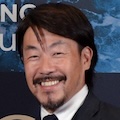
"Choosing WMU to pursue my Doctor of Philosophy was a natural step for me as a Master's graduate, and it was also the best decision I've ever made for both my professional and academic careers.
While the journey to the PhD was tough, my supervisor, PhD Advisory Board members, Professors, and colleagues were always supportive and encouraging throughout the journey. The learning and professional environment helped me to develop academic and research capabilities, and I became a visiting lecturer at WMU."
Yusuke Mori, Japan 2025
Deputy Executive Director, IAMU
"My PhD journey at the World Maritime University (2019–2023) was transformative both academically and professionally. It laid the foundation for my career in maritime law. At WMU, I explored comparative maritime law while engaging directly with international lawmaking as an observer at UNCITRAL during the drafting of the Beijing Convention. This unique blend of rigorous scholarship and real-world exposure shaped the way I approach legal research and policy. A visiting scholarship at the Max Planck Institute further broadened my perspective, deepening my comparative research across multiple jurisdictions.
Today, as a postdoctoral researcher at Xiamen University focusing on maritime decarbonisation, I apply the analytical tools and global perspective gained at WMU to explore how international law can support sustainable shipping. The WMU PhD programme provided not only rigorous academic training, but also practical insight into legal harmonisation and policy development."
Yingfeng Shao, China, 2023
PostDoc, Law School, Xiamen University
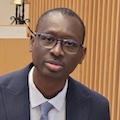
"Earning my PhD in Maritime Affairs at the World Maritime University was one of the most meaningful and transformative journeys of my life. Located in Malmö, a city shaped by openness and international exchange, WMU offered an inspiring environment to examine complex issues of maritime and climate governance through a global lens. As an institution established by the International Maritime Organization, WMU uniquely bridges rigorous
academic research with the realities of international maritime policy.
Conducting my doctoral research in collaboration with the WMU-Sasakawa Global Ocean Institute further enriched my experience, allowing me to explore innovative approaches to climate risk governance and regulatory reform in a setting dedicated to sustainable ocean solutions.
Supported by WMU’s faculty and staff and its vibrant international community, I developed not only academic expertise but also critical thinking and a strong sense of responsibility to contribute to the maritime sector. Completing my PhD at WMU has given me not only academic depth but also a renewed sense of responsibility to contribute meaningfully to maritime climate resilience and forward-looking regulatory innovation."
Lamin Jawara, Gambia, 2026
Director of Ship Registry, Gambia Maritime Organization
"My experience at WMU as a PhD candidate has strongly influenced my growth both as a researcher and as a professional. My research focused on the sustainable development of inland waterway transport in Colombia, a developing country with many kilometres of navigable rivers. This allowed me to explore how integrated governance, environmental standards, and stakeholder interaction can contribute to more resilient and inclusive transport systems. Throughout this journey, I developed a clearer understanding of the connection between river protection, social development, and economic sustainability from a multidisciplinary perspective.
WMU has allowed me to grow as a professional by expanding my analytical skills and broadening my capacity to contribute to high-level discussions on sustainable waterways, their connection with the maritime sector, and related governance frameworks. It also gave me the opportunity to contribute to projects focused on the sustainability of ships and ports, linking research with practical solutions for the maritime sector. Being part of such a diverse and international academic community has strengthened my dedication to advancing sustainable development."
Natalia, Calderon, Colombia, 2025
Senior Engineer, DNV, Norway